
T-change is an independent guide for people thinking about a sea change or tree change to Tasmania. Whether you're dreaming about a coastal town, a farm in the valleys or a terrace in Hobart, we explain the regions, everyday life and the practical steps of moving to the island, in plain language with links to official sources.
Start here
- Regions Hobart, Launceston, the north-west, West Coast, east coast and Midlands.
- Living Climate, housing, schools, healthcare and work.
- Moving Bass Strait, biosecurity, licence and registration.
Popular guides
- Hobart and the south
- Renting and buying a home
- Biosecurity when moving
- Licence and vehicle registration
- Climate and seasons
What is a T-change?
A sea change is a move to the coast; a tree change is a move to the country. A T-change is our name for a lifestyle move to Tasmania, which can be either, or a move to one of its small cities. People come for many reasons: landscape, a slower pace, community, a cooler climate, or to be closer to family. Whatever the reason, a good move starts with realistic research.
How we're different
We don't sell property, removals or travel, and we don't rank suburbs or recommend businesses. Our guides are written in our own words, based on official sources such as Service Tasmania, Biosecurity Tasmania and Consumer, Building and Occupational Services. Where something depends on your circumstances, we say so.
Use the move planner
Our free move planner turns your arrival date into a dated checklist. It includes the key deadlines for registering an interstate vehicle (within three months of arrival) and converting your licence (within six months), plus biosecurity steps such as treating your dog within 14 days before entry. It runs in your browser and nothing you enter is sent anywhere. Always confirm dates with the relevant agency.
Choosing a region
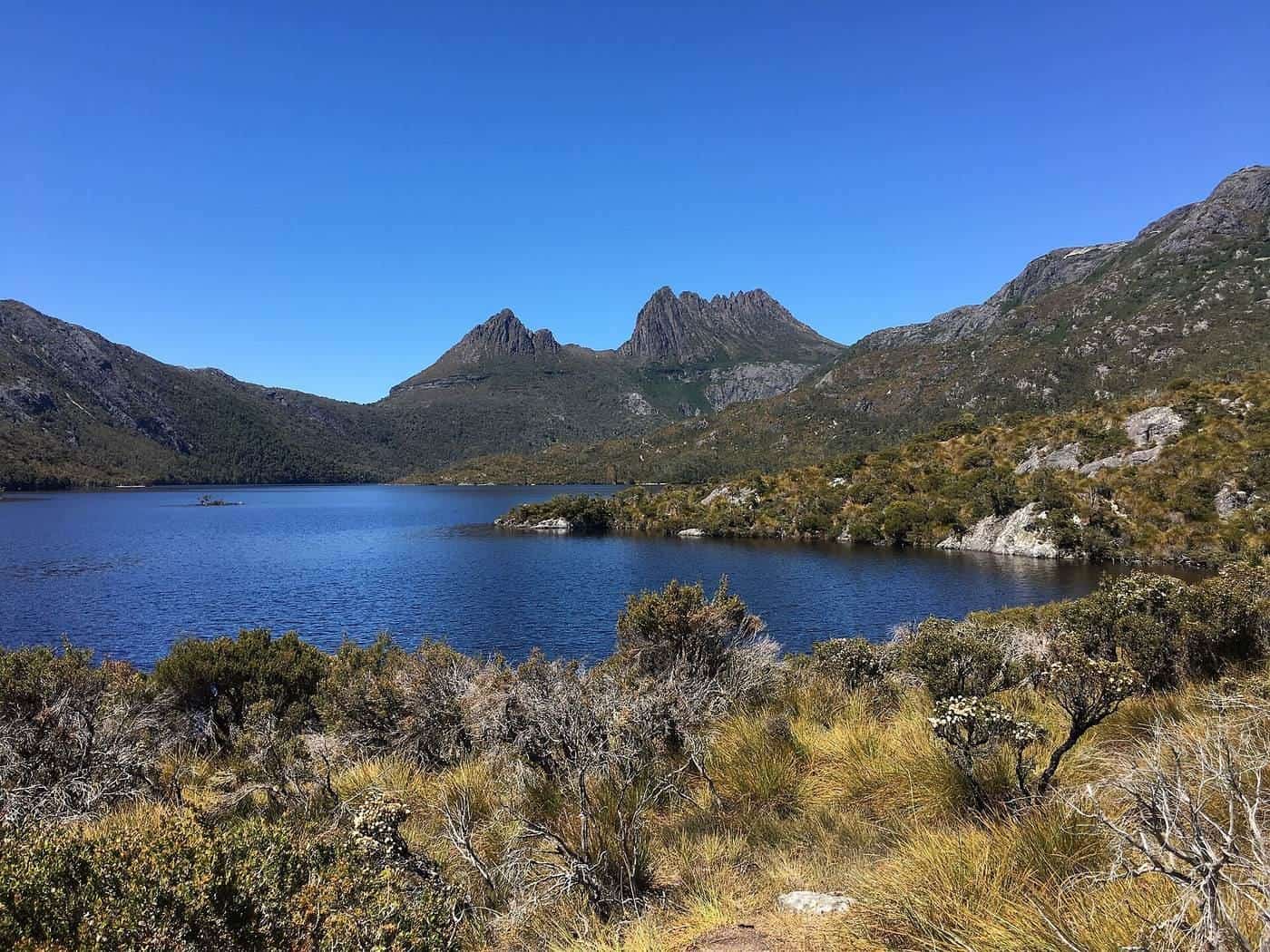
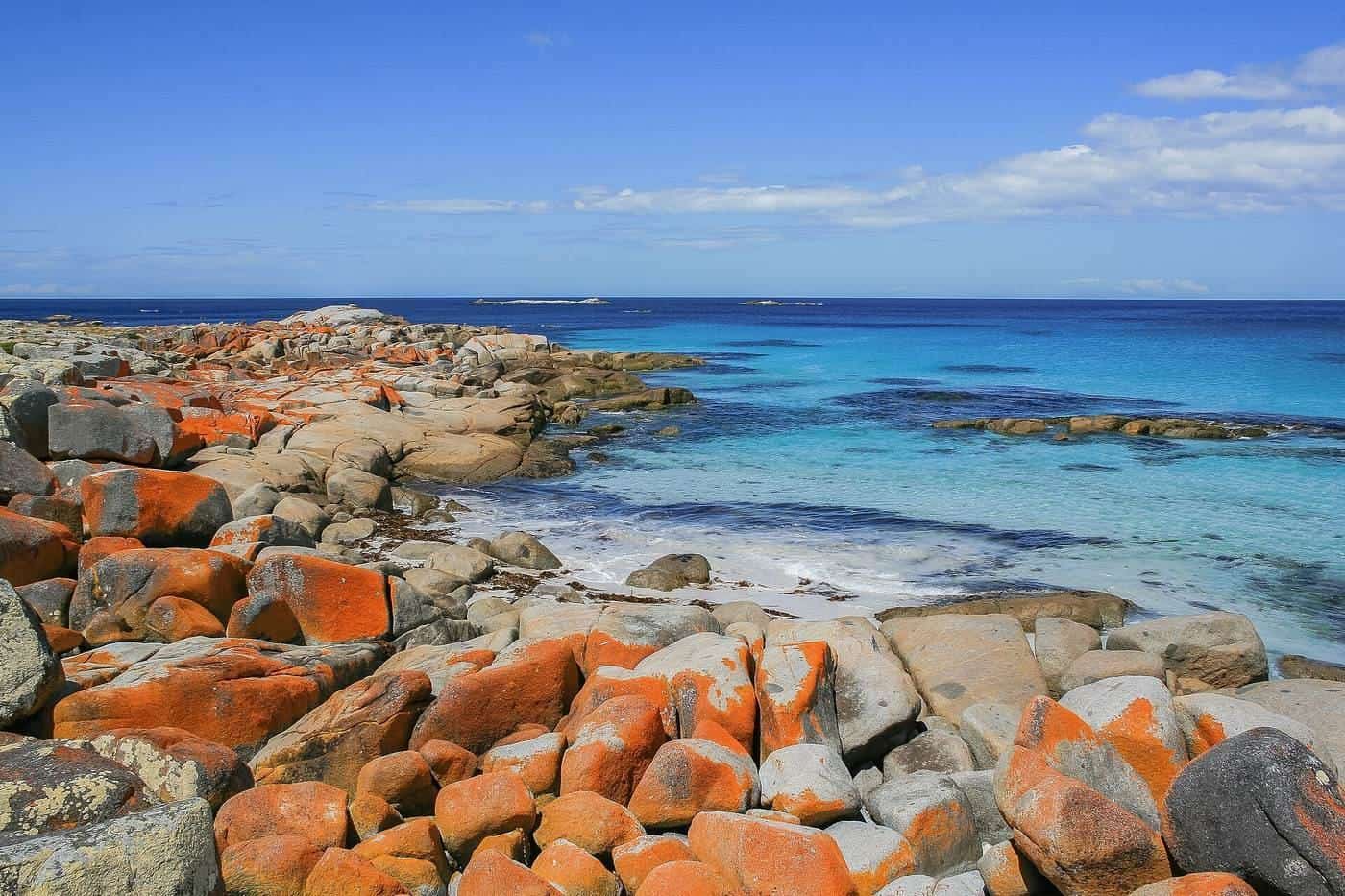
Tasmania is small on the map, but its regions feel different. The south centres on Hobart and its valleys and peninsulas; the north on Launceston, the Tamar Valley and farming country; the north-west on coastal towns from Devonport to Smithton; the West Coast on remote harbour and mining towns; and the east coast on beaches and holiday towns. Think about what matters most to you, such as work, schools, health care, climate, community or landscape, and rank the regions against those needs. Our region guides describe each area in more detail.
Visit before you commit
If you can, spend time in Tasmania before you sign a lease or buy. A week in winter will tell you more about everyday life than a summer holiday: how cold the mornings are, how early it gets dark, how quiet the towns become, and what the roads are like in rain and frost. Use the trip to inspect homes, drive the commutes you'd make, visit schools, and talk to locals at the shops, the library or a sports club. Keep notes and photos so you can compare places once you're home. If a visit isn't possible, ask someone you trust to look on your behalf, and use video calls to inspect homes.
Budget for the whole move
Moving to an island adds costs that are easy to underestimate. Alongside removalists and Bass Strait shipping, allow for ferry or flight tickets, vehicle inspection and registration, licence conversion fees, rental bonds and rent in advance, utility connections, temporary accommodation if dates don't line up, and replacing items you can't bring, such as garden plants. Heating can be a larger winter cost than many mainlanders expect. Write down every expected cost, get written quotes where you can, and keep a buffer for surprises. A realistic budget reduces stress and helps you compare regions fairly.
Your first winter
Many people who move to Tasmania say the first winter is the real test. Days are shorter, mornings can be frosty and some towns get very quiet. Prepare by checking your home's heating and insulation before the cold arrives, buying warm clothing and good footwear, and making plans that get you outside on clear days. Winter also has its pleasures: crisp sunny days, snow on the mountains, cosy pubs and festivals that celebrate the season. Going in with realistic expectations makes it much easier to enjoy.
A quick checklist
Before you commit to a move:
- visit in winter if you can;
- compare regions against your work, school, health and lifestyle needs;
- budget for shipping, bonds, inspections and heating;
- check internet at the exact address;
- plan biosecurity steps for food, plants, gear and pets;
- diarise the three-month registration and six-month licence deadlines;
- update your address with key agencies.
Taking it one step at a time
A move across Bass Strait involves many decisions, and it's easy to feel overwhelmed. Breaking the move into stages helps: first research and visit, then choose a region and housing, then book transport and removalists, then handle biosecurity and packing, and finally the paperwork after you arrive. Tackling one stage at a time, with a written list for each, keeps things manageable and makes it less likely that an important deadline slips through the cracks.
Talking to people who have moved
People who have already made the move are often generous with advice. Ask colleagues, friends of friends or community groups about what surprised them, what they wish they'd known, and what they'd do differently. Keep in mind that every experience is personal: someone who loved a small coastal town may have had very different needs from yours. Use their stories to generate questions, then check facts with official sources.
Keeping records
Keep a folder, paper or digital, for everything related to the move: quotes, contracts, receipts, inventories, inspection reports, biosecurity declarations, licence and registration documents, and correspondence with agents. Good records make it easier to resolve disputes with removalists or landlords, claim refunds of interstate registration, and answer questions from insurers. They also help at tax time if any moving costs are relevant to your situation.
Five habits for a smoother move
- Visit in winter before you commit, if you can.
- Check the exact address for internet, heating, water and commute.
- Leave fresh produce and plants behind and clean outdoor gear.
- Diarise the deadlines: three months for car registration, six months for your licence.
- Keep every record of quotes, contracts and inspections.
About these guides
T-change is an independent information site for people thinking about a sea change or tree change to Tasmania. We aren't a government agency, real estate agent, removalist, ferry operator or migration adviser, and no business pays to appear in our guides. We write every guide in our own words and list the official sources we used, such as Service Tasmania, Transport Services Tasmania, Biosecurity Tasmania, Consumer, Building and Occupational Services and the Department for Education, Children and Young People. Rules change, so check current details with the relevant agency.
How we keep these guides current
We review each guide against official sources and show the date it was last checked. If you notice something out of date, please tell us through our contact page, and we'll check and correct it.