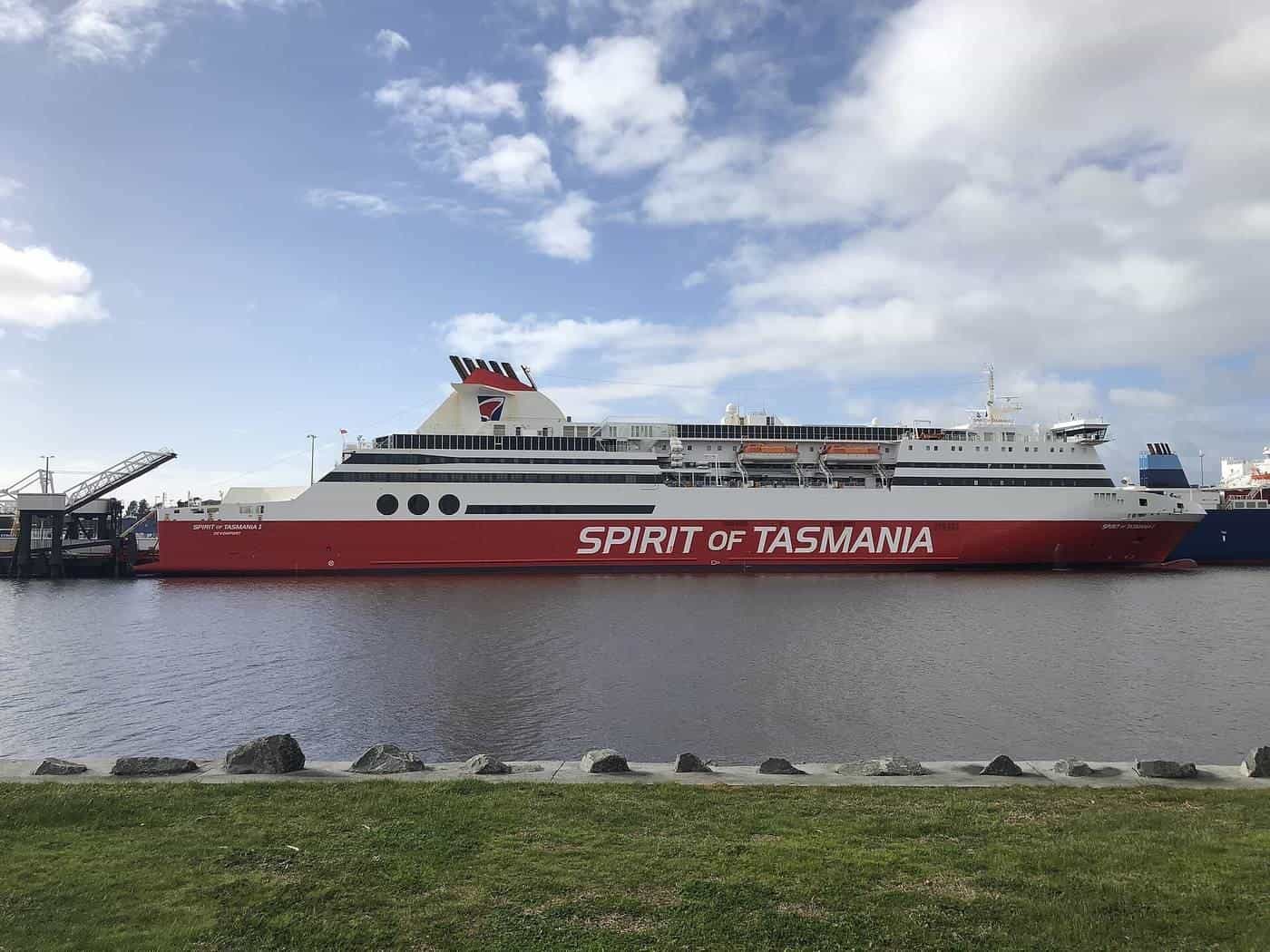
Tasmania is an island, so every move involves getting people, belongings, vehicles and often pets across Bass Strait. The main options are the passenger and vehicle ferry between Geelong and Devonport, flights into Hobart, Launceston, Devonport or Burnie (Wynyard), and sea freight for household goods and cars.
This is general information to help you research a move. It isn't legal, financial or migration advice, and we don't recommend particular suburbs, agents or businesses.
The ferry
The Bass Strait passenger and vehicle ferry sails between Geelong, in Victoria, and Devonport, on Tasmania's north-west coast. Many people moving to Tasmania take their car (and sometimes a loaded trailer or van) on the ferry. Sailings can book out in peak periods, so book early, and check the operator's current rules about vehicle heights, what can be carried in vehicles, and pets. Crossings can be rough in poor weather, so plan for seasickness if you're prone to it.
Flying
Flights connect Hobart and Launceston with mainland capitals, and smaller airports at Devonport and Burnie (Wynyard) have services to Melbourne. Flying is quicker, but you'll need separate arrangements for your car, belongings and pets.
Moving household goods
Interstate removalists usually send goods to Tasmania by sea freight, either in a container or as part of a shared load. When comparing quotes:
- get several written quotes based on an inventory or inspection;
- check whether the quote covers packing, Bass Strait shipping, storage, and delivery to your new address;
- ask about transit insurance and what it covers;
- ask how long delivery is likely to take and how you'll be kept informed;
- check the business independently and read terms before paying a deposit.
Cleaning belongings for biosecurity
Biosecurity Tasmania notes that clothing, footwear and outdoor gear such as bikes, camping, fishing and golf equipment can carry pests, weeds and diseases if they're dirty. Before packing, clean off soil and plant material. Don't pack fresh fruit, vegetables or plants. See our biosecurity guide.
Cars and other vehicles
You can drive your car onto the ferry or use a vehicle transport company. Once you arrive, Service Tasmania says you must apply to register an interstate vehicle in Tasmania within three months of arrival, after an inspection at an approved inspection station. Our licence and registration guide explains the process.
Pets
Dogs entering Tasmania must have been treated for hydatid tapeworm with a praziquantel wormer (5 mg/kg) within 14 days before entry, with evidence such as a vet certificate, statutory declaration or the pill packet and receipt. They must also be checked for ticks within 24 hours and declared on arrival. Check the ferry operator's or airline's rules for pets too.
Timing the move
Think about the season: winter sailings can be rough and roads in the highlands can be icy, while summer is peak travel time. Allow buffer days between your goods arriving and your lease or settlement dates.
Budget for the whole move
Moving to an island adds costs that are easy to underestimate. Alongside removalists and Bass Strait shipping, allow for ferry or flight tickets, vehicle inspection and registration, licence conversion fees, rental bonds and rent in advance, utility connections, temporary accommodation if dates don't line up, and replacing items you can't bring, such as garden plants. Heating can be a larger winter cost than many mainlanders expect. Write down every expected cost, get written quotes where you can, and keep a buffer for surprises. A realistic budget reduces stress and helps you compare regions fairly.
Avoiding rental and moving scams
Moving from interstate makes you a target for scams. Be wary of rental listings that ask for money before you've inspected or signed an agreement, landlords who say they're overseas, and prices that seem too good to be true. Check agents and businesses independently, never pay bonds outside the official process, and get removalist quotes in writing. In Tasmania, bonds are lodged with the Rental Deposit Authority, so ask how your bond will be lodged before paying.
Update your details
Moving interstate means updating your address in many places. Common ones include Medicare and Centrelink through Services Australia, the Australian Taxation Office, the Australian Electoral Commission, your bank, super fund, insurers, employer, phone and internet providers, and any subscriptions. The Australian Electoral Commission lets you update your enrolment online. Redirect your mail for a few months to catch anything you miss. Keeping a simple checklist and ticking items off as you go makes this much easier.
Use the move planner
Our free move planner turns your arrival date into a dated checklist. It includes the key deadlines for registering an interstate vehicle (within three months of arrival) and converting your licence (within six months), plus biosecurity steps such as treating your dog within 14 days before entry. It runs in your browser and nothing you enter is sent anywhere. Always confirm dates with the relevant agency.
Visit before you commit
If you can, spend time in Tasmania before you sign a lease or buy. A week in winter will tell you more about everyday life than a summer holiday: how cold the mornings are, how early it gets dark, how quiet the towns become, and what the roads are like in rain and frost. Use the trip to inspect homes, drive the commutes you'd make, visit schools, and talk to locals at the shops, the library or a sports club. Keep notes and photos so you can compare places once you're home. If a visit isn't possible, ask someone you trust to look on your behalf, and use video calls to inspect homes.
Moving with children
Moving with children adds steps but can also be a great adventure. Involve them in researching the new area, contact schools early, and keep routines as steady as possible around moving day. Ask schools how they support students who change states, and look for local sport, music or scouting groups so children can make friends quickly. Teenagers in particular may find leaving friends hard; staying connected online and planning visits can help.
A quick checklist
Before you commit to a move:
- visit in winter if you can;
- compare regions against your work, school, health and lifestyle needs;
- budget for shipping, bonds, inspections and heating;
- check internet at the exact address;
- plan biosecurity steps for food, plants, gear and pets;
- diarise the three-month registration and six-month licence deadlines;
- update your address with key agencies.
Where our information comes from
We base the rules and deadlines in this guide on official sources, including Service Tasmania, Transport Services Tasmania, Biosecurity Tasmania, Consumer, Building and Occupational Services, the Department for Education, Children and Young People, the Bureau of Meteorology, Healthdirect and Services Australia, listed at the end of the page. Descriptions of places are general and written in our own words. Rules change, so we show the date we last checked the page; follow the source links before relying on any detail.
Taking it one step at a time
A move across Bass Strait involves many decisions, and it's easy to feel overwhelmed. Breaking the move into stages helps: first research and visit, then choose a region and housing, then book transport and removalists, then handle biosecurity and packing, and finally the paperwork after you arrive. Tackling one stage at a time, with a written list for each, keeps things manageable and makes it less likely that an important deadline slips through the cracks.
Talking to people who have moved
People who have already made the move are often generous with advice. Ask colleagues, friends of friends or community groups about what surprised them, what they wish they'd known, and what they'd do differently. Keep in mind that every experience is personal: someone who loved a small coastal town may have had very different needs from yours. Use their stories to generate questions, then check facts with official sources.
Key points
- Options: the Geelong–Devonport ferry, flights, and sea freight for goods.
- Book ferry sailings early in peak periods.
- Get written removalist quotes that include Bass Strait shipping and insurance.
- Clean outdoor gear and leave fresh produce behind.
- Dogs need praziquantel treatment within 14 days before entry.
Frequently asked questions
Where does the ferry go?
The passenger and vehicle ferry runs between Geelong in Victoria and Devonport. Check the operator for current timetables.
Can I take my dog on the ferry?
Pets can travel on the ferry under the operator’s rules, and dogs must meet Biosecurity Tasmania’s entry requirements.
Do removalists cross Bass Strait?
Many interstate removalists move goods to Tasmania, usually by sea freight. Get written quotes and check what is included.
Can I bring fruit on the ferry?
No fresh fruit or vegetables. Biosecurity Tasmania prohibits fresh produce; declare or bin restricted items on arrival.
Sources and further reading
Facts on this page were checked against these primary and official sources. Conditions change — confirm before you travel or buy.
- Moving or travelling to Tasmania — Biosecurity Tasmania (NRE Tas)
- Food: what you can and can't bring into Tasmania — Biosecurity Tasmania (NRE Tas)
- Dogs: importing animals — Biosecurity Tasmania (NRE Tas)
- Transfer a vehicle registration from interstate — Service Tasmania