Tasmania is small on the map, but its regions are distinct in landscape, climate, work and services. These guides describe each region and the practical questions to ask before you choose where to live.
The guides in this section
- Hobart and the south The capital, its valleys, peninsulas and Bruny Island.
- Launceston and the north The Tamar Valley, farming districts and the north-east.
- North-west and West Coast Devonport, Burnie, Stanley, Strahan and Queenstown.
- East Coast and Midlands Beach towns and historic farming country.
The regions at a glance
- South: the capital's services, with valleys and peninsulas nearby.
- North: a compact city, wine country and farming towns.
- North-west: coastal towns, the ferry port, farmland and the wild west.
- East coast: beaches and holiday towns with seasonal swings.
- Midlands: dry farming country between the two cities.
Visit before you commit
If you can, spend time in Tasmania before you sign a lease or buy. A week in winter will tell you more about everyday life than a summer holiday: how cold the mornings are, how early it gets dark, how quiet the towns become, and what the roads are like in rain and frost. Use the trip to inspect homes, drive the commutes you'd make, visit schools, and talk to locals at the shops, the library or a sports club. Keep notes and photos so you can compare places once you're home. If a visit isn't possible, ask someone you trust to look on your behalf, and use video calls to inspect homes.
Internet and mobile coverage
Reliable internet matters for remote work, study, telehealth and staying in touch. Coverage varies a lot in Tasmania's hills and valleys, so check what's available at the exact address rather than the town in general. Ask the current occupants or neighbours how well their connection works, and test mobile reception inside the home. For rural properties, compare fixed wireless, satellite and other options before you commit. If good internet is essential to your income, make it a deal-breaker in your property search.
Getting around
Outside the inner suburbs of Hobart and Launceston, most Tasmanians rely on a car. Buses link major towns and cities, but services can be infrequent in regional areas. Roads in the highlands and west can be narrow and winding, with ice, snow or fog in winter, and wildlife is often on roads around dawn and dusk. Drive to the conditions, allow extra time, and keep a warm layer, water and a phone charger in the car on longer trips.
Moving later in life
Many people move to Tasmania in retirement. If that's your plan, think carefully about access to health care, especially specialists and hospitals; whether your home will suit you as your needs change; how you'll get around if you stop driving; and how far you'll be from family. Smaller towns can be welcoming and affordable, but services may be limited. Visiting in winter and talking to local GPs and community groups can help you choose wisely.
Finding your community
Settling in is about people as much as places. Many newcomers find friends through work, schools, sporting clubs, volunteer groups, community gardens, churches, Men's Sheds, choirs, bushwalking clubs and local markets. Neighbourhood houses run activities and are a good place to ask about what's on. In small towns, turning up regularly and joining in tends to matter more than anything else. Give yourself time: it's normal for a move to feel lonely before it feels like home, and staying in touch with friends and family back home helps during the first year.
Taking it one step at a time
A move across Bass Strait involves many decisions, and it's easy to feel overwhelmed. Breaking the move into stages helps: first research and visit, then choose a region and housing, then book transport and removalists, then handle biosecurity and packing, and finally the paperwork after you arrive. Tackling one stage at a time, with a written list for each, keeps things manageable and makes it less likely that an important deadline slips through the cracks.
Talking to people who have moved
People who have already made the move are often generous with advice. Ask colleagues, friends of friends or community groups about what surprised them, what they wish they'd known, and what they'd do differently. Keep in mind that every experience is personal: someone who loved a small coastal town may have had very different needs from yours. Use their stories to generate questions, then check facts with official sources.
Keeping records
Keep a folder, paper or digital, for everything related to the move: quotes, contracts, receipts, inventories, inspection reports, biosecurity declarations, licence and registration documents, and correspondence with agents. Good records make it easier to resolve disputes with removalists or landlords, claim refunds of interstate registration, and answer questions from insurers. They also help at tax time if any moving costs are relevant to your situation.
Five habits for a smoother move
- Visit in winter before you commit, if you can.
- Check the exact address for internet, heating, water and commute.
- Leave fresh produce and plants behind and clean outdoor gear.
- Diarise the deadlines: three months for car registration, six months for your licence.
- Keep every record of quotes, contracts and inspections.
About these guides
T-change is an independent information site for people thinking about a sea change or tree change to Tasmania. We aren't a government agency, real estate agent, removalist, ferry operator or migration adviser, and no business pays to appear in our guides. We write every guide in our own words and list the official sources we used, such as Service Tasmania, Transport Services Tasmania, Biosecurity Tasmania, Consumer, Building and Occupational Services and the Department for Education, Children and Young People. Rules change, so check current details with the relevant agency.
How we keep these guides current
We review each guide against official sources and show the date it was last checked. If you notice something out of date, please tell us through our contact page, and we'll check and correct it.
Guides in this section

Regions
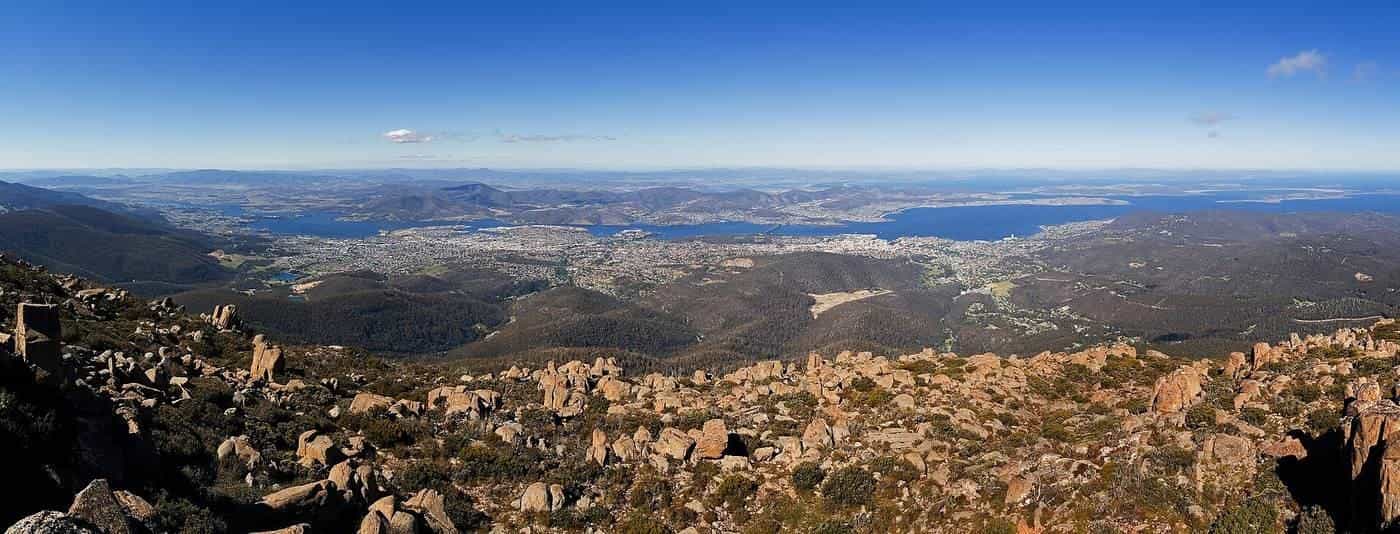
Hobart and the south
What to weigh up if you are thinking of moving to Hobart or southern Tasmania: city, suburbs, Huon and Derwent valleys, peninsulas and islands.
Read · 6 min
Regions
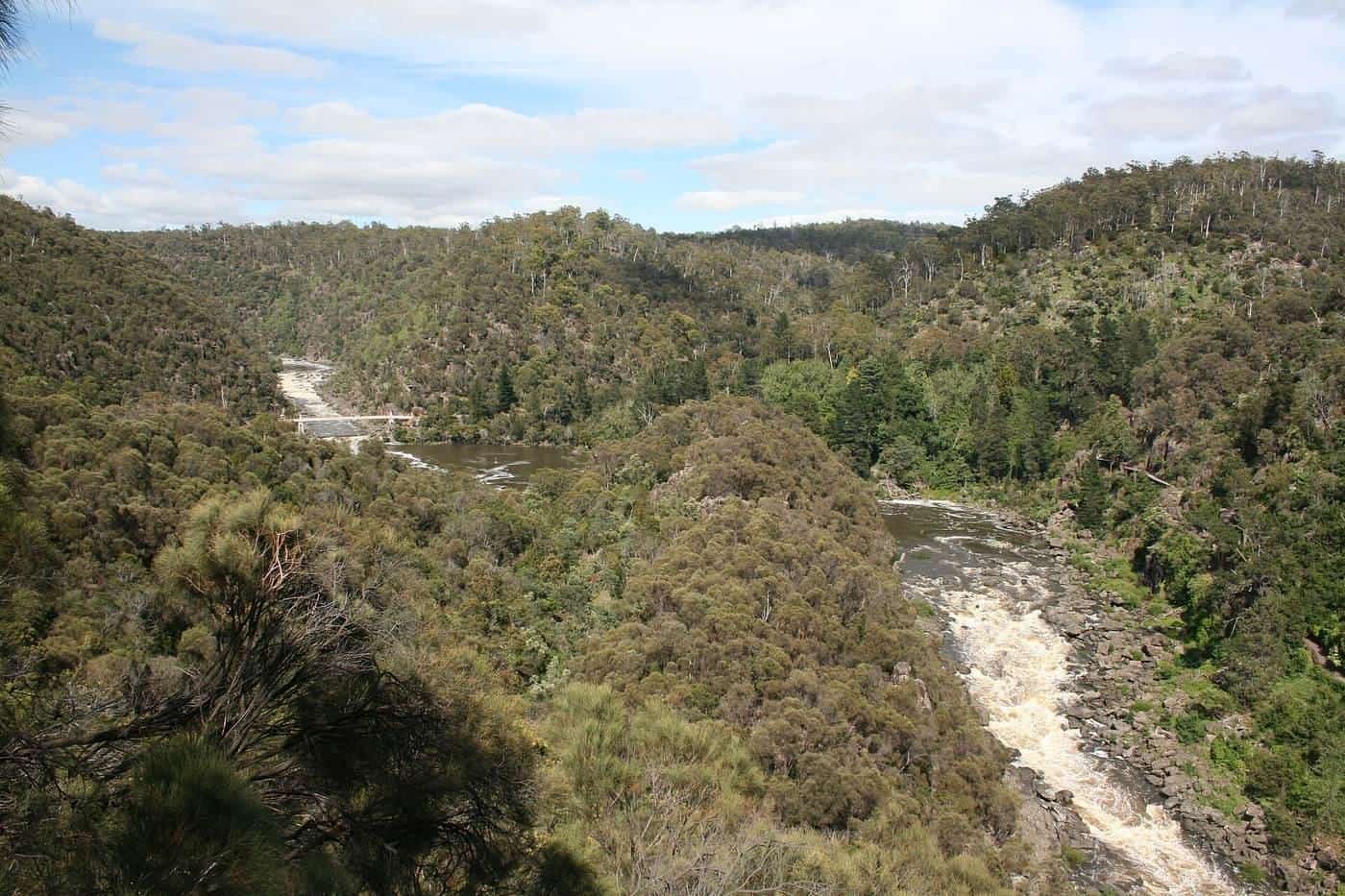
Launceston and the north
A guide for people considering Launceston, the Tamar Valley and northern Tasmania: city life, towns, farmland, services and practical questions.
Read · 6 min
Regions
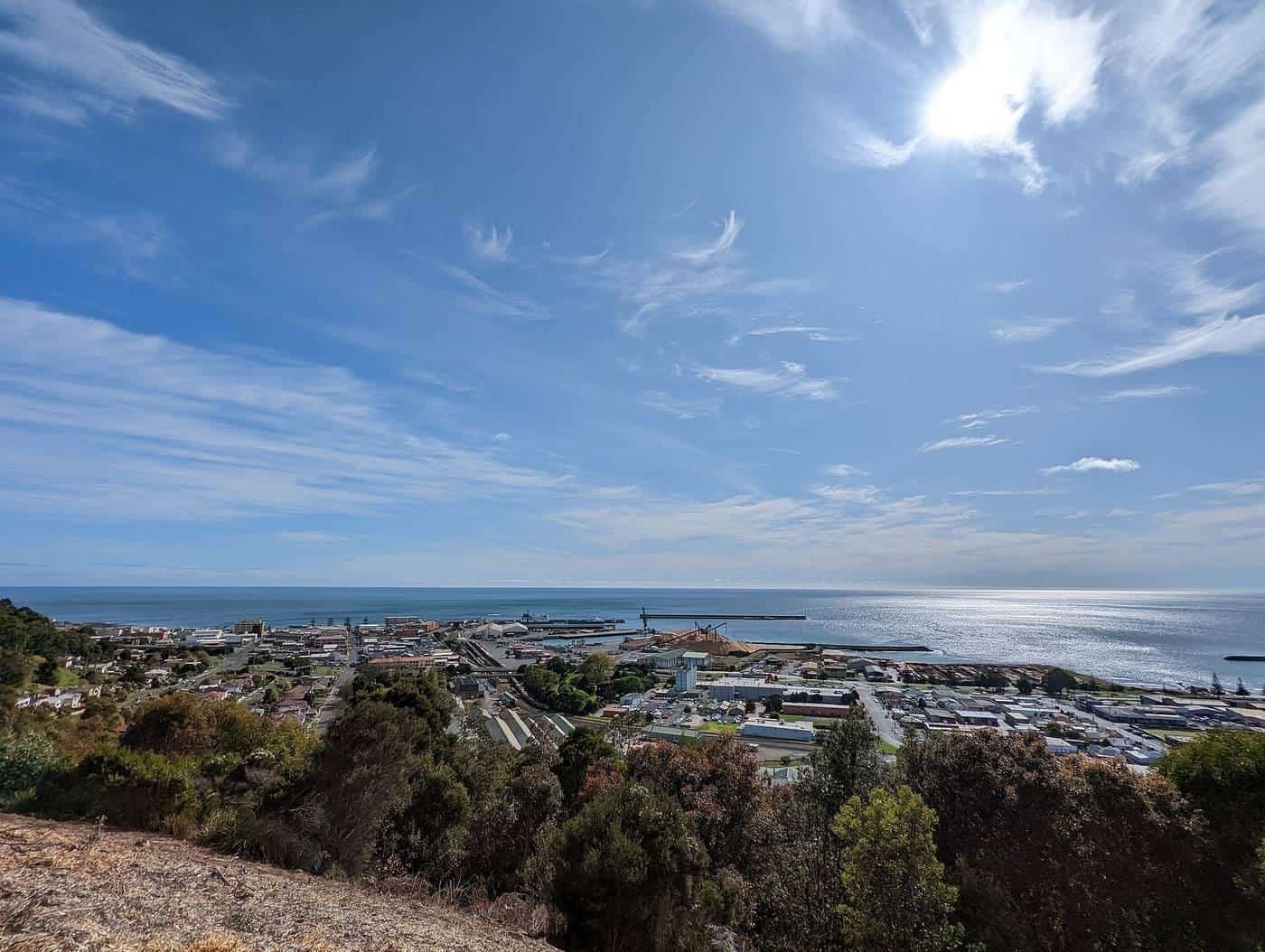
North-west and West Coast
Devonport, Burnie, the Cradle Coast, Stanley and the rugged West Coast: what to consider if you are thinking of moving to Tasmania’s north-west.
Read · 6 min
Regions
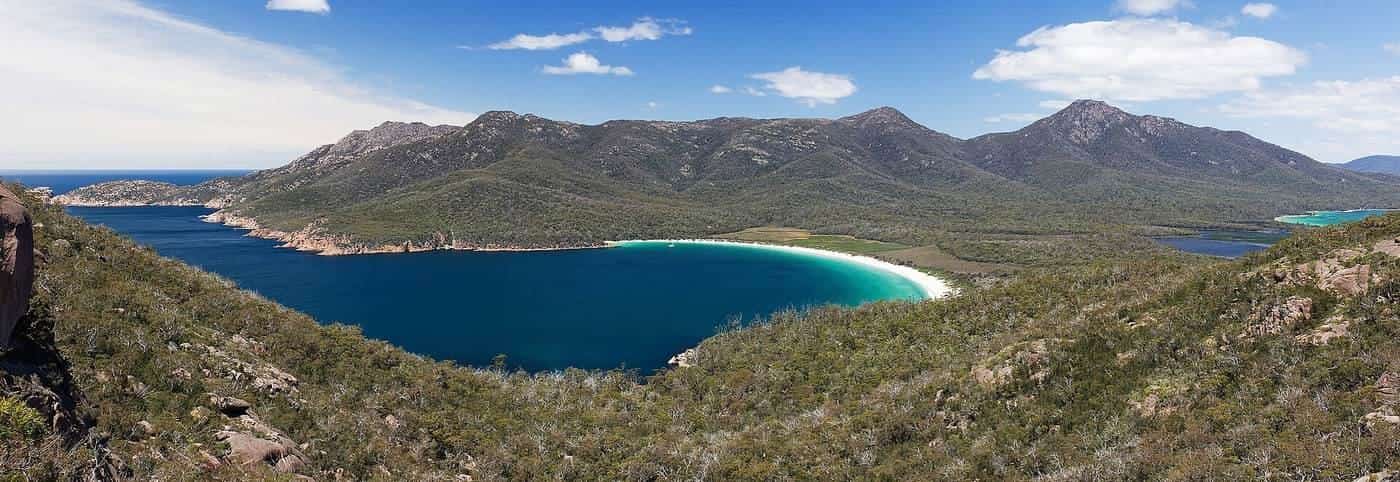
East Coast and Midlands
Living on Tasmania’s east coast or in the Midlands: coastal towns from Orford to St Helens, farming country, services and practical questions.
Read · 6 min
Frequently asked questions
Which region is best to move to?
It depends on your work, family, health and lifestyle needs. Compare regions against what matters most to you.
Where are the main cities?
Hobart in the south, Launceston in the north, and Devonport and Burnie on the north-west coast.
Where are the main hospitals?
Hobart, Launceston, Burnie and Latrobe have the main public hospitals.
Which areas are most remote?
The West Coast and parts of the far north-west, north-east and east coast are a long drive from major services.
Sources and further reading
Facts on this page were checked against these primary and official sources. Conditions change — confirm before you travel or buy.
- Climate statistics for Australian locations — Bureau of Meteorology
- Find a health service — Healthdirect Australia
- School starting and leaving ages — Department for Education, Children and Young People