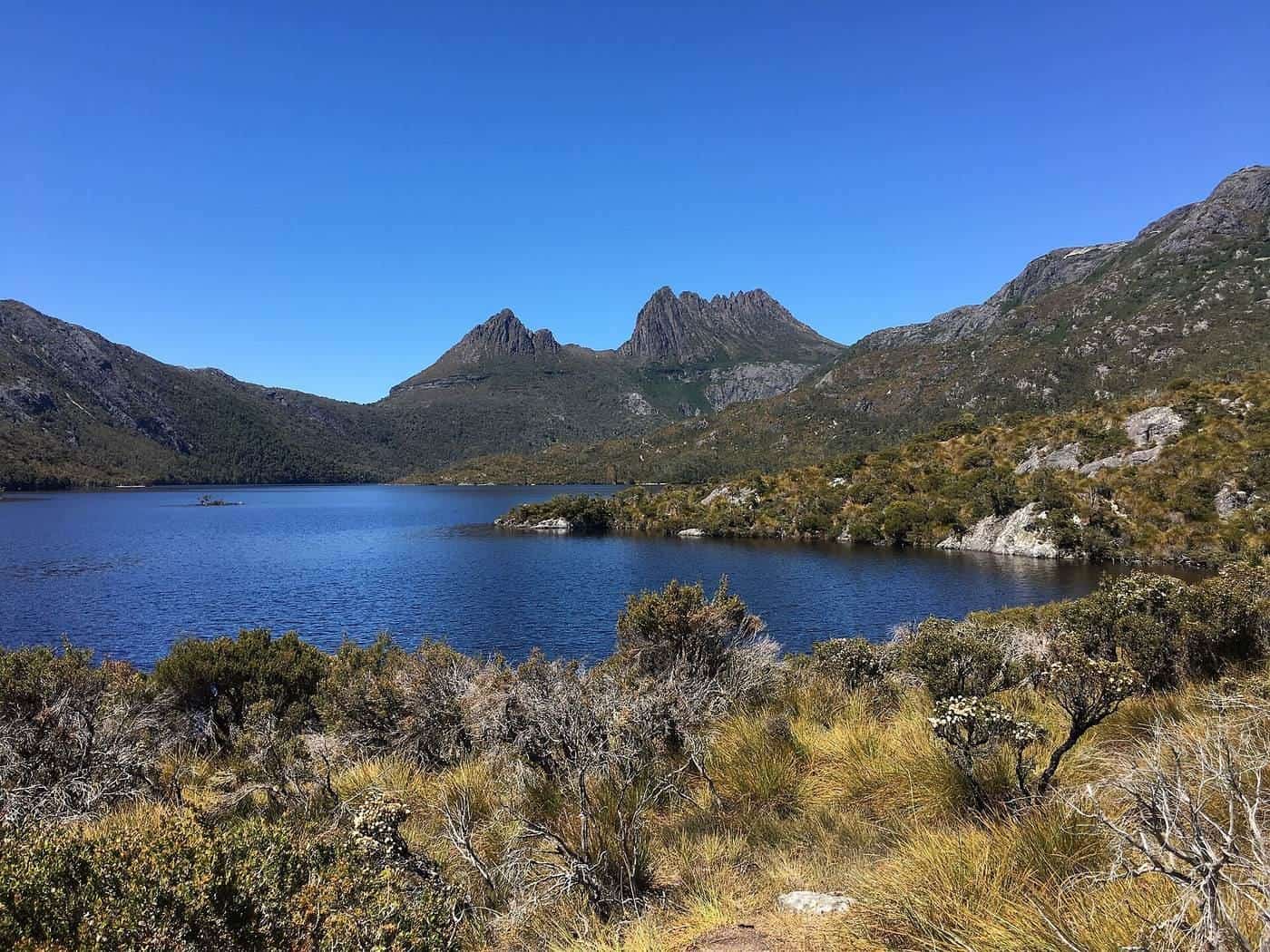
Tasmania's east coast stretches from the southern towns of Orford and Triabunna past Swansea, the Freycinet Peninsula and Bicheno to St Helens and the Bay of Fires. Inland, the Midlands run between Hobart and Launceston, a landscape of grazing country and towns with Georgian sandstone buildings. Both regions attract people seeking a quieter life, but they have very different settings.
This is general information to help you research a move. It isn't legal, financial or migration advice, and we don't recommend particular suburbs, agents or businesses.
The east coast
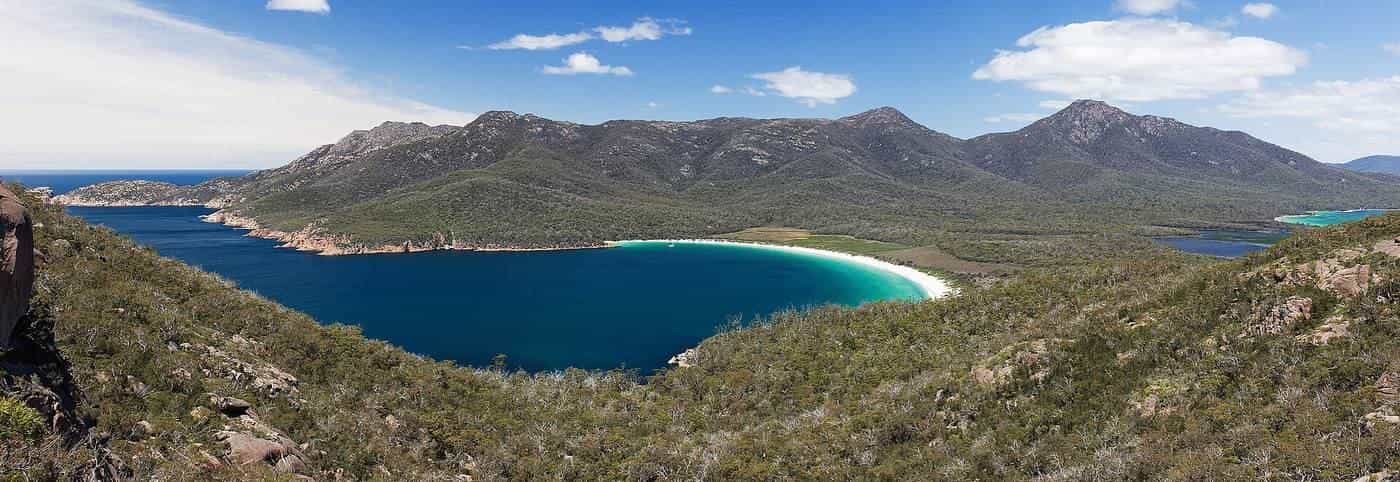
The east coast is known for white-sand beaches, granite headlands with orange lichen, and sheltered bays. Freycinet National Park and Wineglass Bay draw visitors from around the world, and fishing, oysters and tourism are part of local economies. Towns are small, and many have a mix of permanent residents and holiday homes.
Living with seasonal swings
In holiday towns, the population can rise sharply in summer and fall in winter. That affects rental availability, traffic, restaurant opening hours and the feel of the town. Some homes are let as short-stay accommodation, which can reduce the supply of long-term rentals. Visiting in winter, not just summer, gives a truer picture of everyday life.
Services and distance
Larger towns have schools, GPs, pharmacies and supermarkets, and district health services provide some care, but major hospitals and many specialists are in Hobart and Launceston. Depending on where you live, that can mean a drive of two hours or more. Think about how you'd manage regular appointments, emergencies and school options, and whether you'd need a reliable second car.
The Midlands
Along the Midland Highway, towns such as Kempton, Oatlands, Ross and Campbell Town have historic sandstone buildings and grazing land around them. The Midlands can be dry and windy, with cold winters and frosts. Living here can put both Hobart and Launceston within reach for occasional trips, but daily commuting is long.
Housing considerations
On the coast, check exposure to wind and salt, water supply, septic systems and whether properties are affected by coastal hazards or bushfire risk. In the Midlands, check heating, water, insulation and road access. Ask your local council about planning overlays that may affect what you can build or change.
Work
Local employment often centres on agriculture, aquaculture, tourism, hospitality, trades, health, education and local government. Many people who move to these regions work remotely, run their own business or commute part of the week. Check internet options at any property carefully if you plan to work from home.
Questions to ask on a visit
- What is the town like in July compared with January?
- How many long-term rentals are available, and at what times of year?
- How far is the nearest hospital and after-hours care?
- What internet technology is available at the address?
- What bushfire, flood or coastal hazard information does the council hold?
Climate
The east coast is generally drier and sunnier than the west, while the Midlands can be dry with cold nights. Conditions vary, so look at the Bureau of Meteorology's data for the nearest station and see our climate guide.
Visit before you commit
If you can, spend time in Tasmania before you sign a lease or buy. A week in winter will tell you more about everyday life than a summer holiday: how cold the mornings are, how early it gets dark, how quiet the towns become, and what the roads are like in rain and frost. Use the trip to inspect homes, drive the commutes you'd make, visit schools, and talk to locals at the shops, the library or a sports club. Keep notes and photos so you can compare places once you're home. If a visit isn't possible, ask someone you trust to look on your behalf, and use video calls to inspect homes.
Choosing a region
Tasmania is small on the map, but its regions feel different. The south centres on Hobart and its valleys and peninsulas; the north on Launceston, the Tamar Valley and farming country; the north-west on coastal towns from Devonport to Smithton; the West Coast on remote harbour and mining towns; and the east coast on beaches and holiday towns. Think about what matters most to you, such as work, schools, health care, climate, community or landscape, and rank the regions against those needs. Our region guides describe each area in more detail.
Moving later in life
Many people move to Tasmania in retirement. If that's your plan, think carefully about access to health care, especially specialists and hospitals; whether your home will suit you as your needs change; how you'll get around if you stop driving; and how far you'll be from family. Smaller towns can be welcoming and affordable, but services may be limited. Visiting in winter and talking to local GPs and community groups can help you choose wisely.
Internet and mobile coverage
Reliable internet matters for remote work, study, telehealth and staying in touch. Coverage varies a lot in Tasmania's hills and valleys, so check what's available at the exact address rather than the town in general. Ask the current occupants or neighbours how well their connection works, and test mobile reception inside the home. For rural properties, compare fixed wireless, satellite and other options before you commit. If good internet is essential to your income, make it a deal-breaker in your property search.
Getting around
Outside the inner suburbs of Hobart and Launceston, most Tasmanians rely on a car. Buses link major towns and cities, but services can be infrequent in regional areas. Roads in the highlands and west can be narrow and winding, with ice, snow or fog in winter, and wildlife is often on roads around dawn and dusk. Drive to the conditions, allow extra time, and keep a warm layer, water and a phone charger in the car on longer trips.
Finding your community
Settling in is about people as much as places. Many newcomers find friends through work, schools, sporting clubs, volunteer groups, community gardens, churches, Men's Sheds, choirs, bushwalking clubs and local markets. Neighbourhood houses run activities and are a good place to ask about what's on. In small towns, turning up regularly and joining in tends to matter more than anything else. Give yourself time: it's normal for a move to feel lonely before it feels like home, and staying in touch with friends and family back home helps during the first year.
Your first winter
Many people who move to Tasmania say the first winter is the real test. Days are shorter, mornings can be frosty and some towns get very quiet. Prepare by checking your home's heating and insulation before the cold arrives, buying warm clothing and good footwear, and making plans that get you outside on clear days. Winter also has its pleasures: crisp sunny days, snow on the mountains, cosy pubs and festivals that celebrate the season. Going in with realistic expectations makes it much easier to enjoy.
Use the move planner
Our free move planner turns your arrival date into a dated checklist. It includes the key deadlines for registering an interstate vehicle (within three months of arrival) and converting your licence (within six months), plus biosecurity steps such as treating your dog within 14 days before entry. It runs in your browser and nothing you enter is sent anywhere. Always confirm dates with the relevant agency.
Where our information comes from
We base the rules and deadlines in this guide on official sources, including Service Tasmania, Transport Services Tasmania, Biosecurity Tasmania, Consumer, Building and Occupational Services, the Department for Education, Children and Young People, the Bureau of Meteorology, Healthdirect and Services Australia, listed at the end of the page. Descriptions of places are general and written in our own words. Rules change, so we show the date we last checked the page; follow the source links before relying on any detail.
Key points
- The east coast runs from Orford to St Helens and the Bay of Fires.
- Holiday towns change a lot between summer and winter.
- Major hospitals are in Hobart and Launceston; plan for distance.
- The Midlands are dry farming country with historic towns.
- Check internet, water, septic and hazard overlays before you commit.
Frequently asked questions
Which towns are on the east coast?
Towns include Orford, Swansea, Bicheno, Coles Bay, Scamander and St Helens, among others.
Is there a hospital on the east coast?
There are smaller district health services, but major hospitals are in Hobart and Launceston. Check current services.
What are the Midlands?
The farming country between Hobart and Launceston along the Midland Highway, with towns such as Oatlands, Ross and Campbell Town.
Is the east coast drier?
The east coast is generally drier and sunnier than the west. Check BoM statistics for individual towns.
Sources and further reading
Facts on this page were checked against these primary and official sources. Conditions change — confirm before you travel or buy.
- Climate statistics for Australian locations — Bureau of Meteorology
- Find a health service — Healthdirect Australia
- School starting and leaving ages — Department for Education, Children and Young People
- Rental bond lodgement and paying a bond contribution — Consumer, Building and Occupational Services